

Sprouts of Life Amid Mount Haguro’s Frost
From Winter to Spring
At Sanada Enmeiin,due to the severe winter climate and the traditional duties carried out during the winter season, we suspend accommodations each year from late November until around May.
This period is a significant time for us to draw close to nature, bring the year to a thoughtful close, and prepare to welcome the new one.
In this article, we will share in detail the seasonal duties, and the transmission of faith that take place during this quiet winter season, as well as the reasons behind them.
Preparation for the Harsh Winter and Rituals for the New Year
As late November arrives, the Pilgrims’ Lodge district at the foot of Mount Haguro grows quiet, and the landscape begins to signal the approach of winter.
The air turns crisp and clear, and the high peaks are often the first to be adorned with an early mantle of snow.
During this season, the San-jin Gōsaiden of the Dewasanzan Shrine conducts the Niinamesai, an important annual ritual.
The Niinamesai is a traditional ceremony in which gratitude is offered to the deities for the year’s harvest and for the blessing of abundant crops.
At Sanada Enmeiin, once the Niinamesai concludes, we bring our role as a Pilgrims’ Lodge for the season to a close and suspend accommodations until around May of the following year.
-scaled.jpg)
Weaving Together the Year’s End and the Beginning of a New One
In November, preparations for the deep winter begin in earnest.
To withstand the heavy snow of the mountain season, repairs to the buildings, snow protection work, and inspections of facilities are carefully carried out.
The snow that falls quietly and steadily brings a sense of calm, yet it also demands thorough readiness to endure the long, snowbound months ahead.
The covered corridor that connects the Pilgrims’ Lodge to the Shinto prayer hall is dismantled and stored under the eaves to protect it from the winter snow.
At Sanada Enmeiin, the snow enclosures for the buildings—including the lodging quarters—are all constructed in-house rather than outsourced, ensuring they are efficient and long-lasting.
This work requires patience, strength, and steady effort, and is carried out with great care.
As the New Year approaches, the sacred spaces are carefully cleaned and purified, including the kamidana and the household altar.
During this time, we also begin receiving applications for the New Year’s Day prayers, and preparing for them with care—while reflecting on the many moments shared with our guests over the past year—becomes one of our important responsibilities at this time of year.
In this sense, the winter preparations can be seen as a period for both reviewing the year and readying oneself spiritually for the new one.
 The New Year’s Day Prayer (Gantan Kitō) is a significant ceremony that marks the beginning of Shukubo (Pilgrims’ Lodge) Sanada Enmeiin’s annual spiritual activities.
In the early hours of New Year’s Day, prayers for family safety and good health are offered before a protective charm (Ofuda) prepared with each person’s wish.
The solemn recitation of norito and the resonant beat of the drum echo through the sacred hall, deepening the sense of reverence that accompanies the arrival of a new year.
Carrying the Faith Through the Dannaba Rounds
After the New Year’s Day Prayer is completed, the year begins with early observances such as Hatsukitō and Hatsu-uma.
These occasions deepen our connection with the local community and help carry the spirit of the Dewa Sanzan faith into the present day.
Following these ceremonies, we begin our annual rounds, visiting the locations known as Dannaba or Kasumiba—areas where our community of devotees resides.
Honoring the traditions rooted in each community, we go from house to house, offering New Year blessings and prayers for the household and its members.
This practice not only conveys the enduring faith of the Dewa Sanzan but also strengthens the long-standing bonds we share with those who have supported our shrine through the years.
We visit the homes and facilities of those within our community of devotees who request our presence, continuing this custom while thoughtfully adapting to the evolving needs of the community.
Handcrafting Shime to Support Pilgrims
Another important activity during this season is the creation of shime, a tradition handed down through generations.
Shime are sacred ornaments worn around the neck during pilgrimages to purify oneself. They are made by braiding multiple cords into a distinctive form.
Each piece is carefully handcrafted, carrying on the tradition of prayer and devotion through meticulous workmanship.
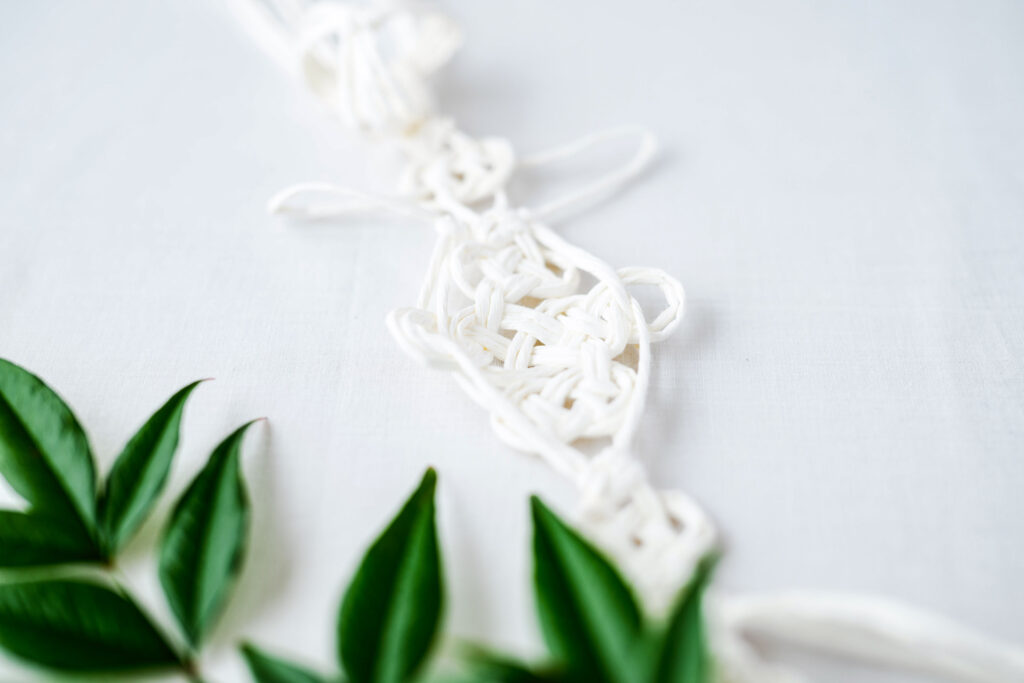

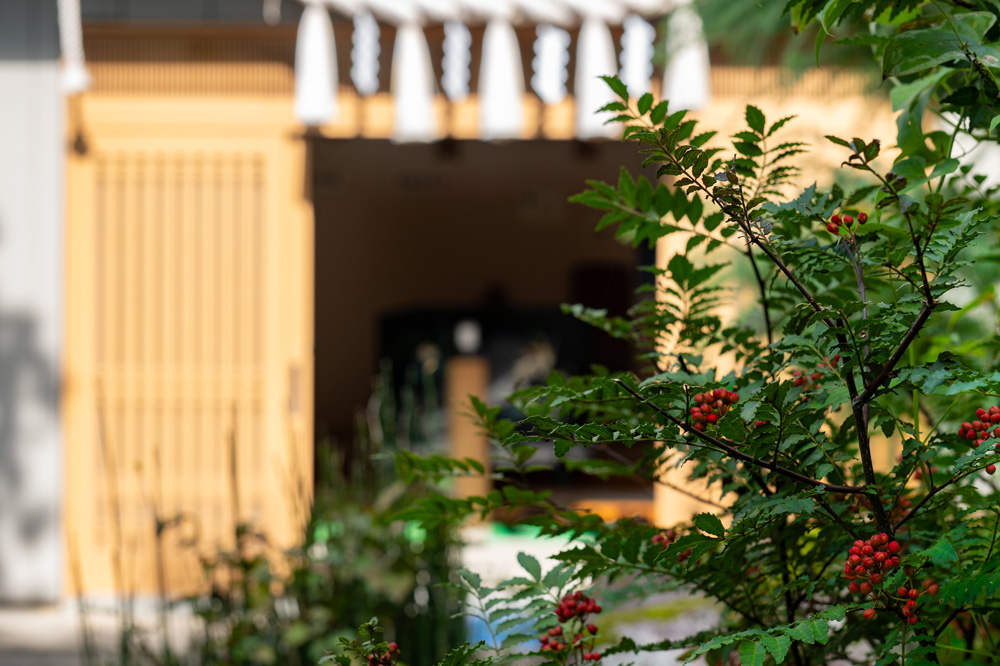
Photo The Grand Shime and Nanten (Sacred Bamboo) S...
A Time When New Life Emerges in Silence
Just as new life awakens in spring after enduring the harshness of winter,
Sanada Enmeiin quietly prepares for the coming year amidst the stillness of the season.
Although winter may appear calm on the surface, behind the scenes preparations steadily unfold in anticipation of spring’s arrival.
In this way, the seasonal rhythms of the Pilgrims’ Lodge reflect a rich tradition unique to the Dewa Sanzan, where nature and faith harmoniously intertwine.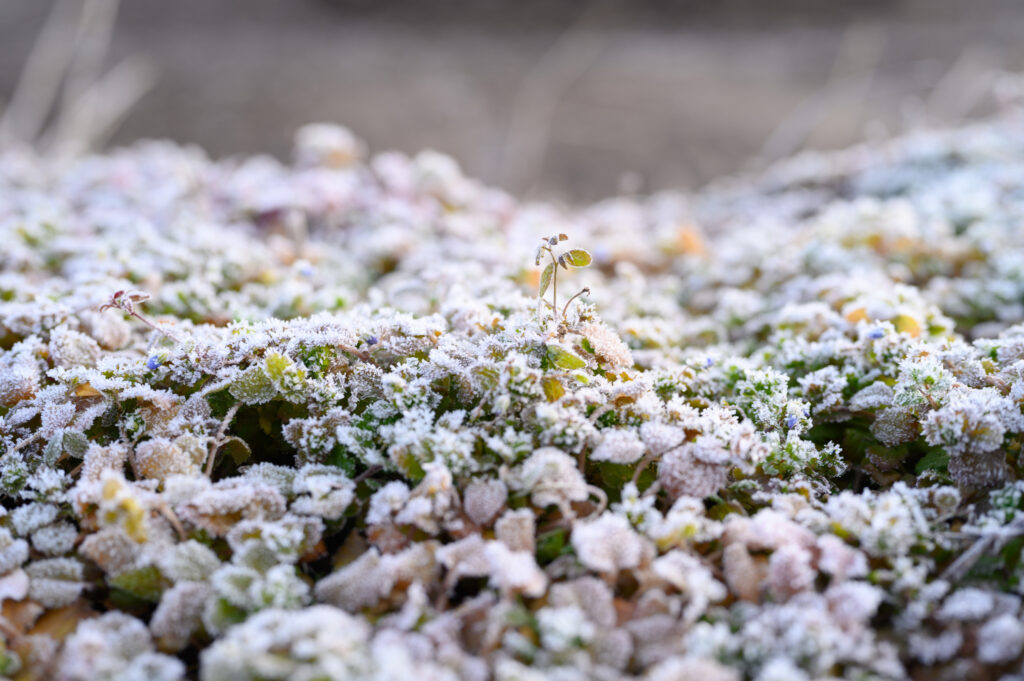
Spring: When the Snow Melts
The reason we suspend accommodations during the winter lies in the religious duties and numerous preparations required for the coming season.
As the long winter ends and spring arrives, Sanada Enmeiin reopens its doors as a Pilgrims’ Lodge.
With the melting of the snow, we look forward to welcoming visitors once again and sharing the lodge’s sacred space.
※All photographs featured here were taken by Sanada Enmei-in.
Sanada Enmei-in
Tōge has long been a lodge town where pilgrims dressed in white travel to and from the sacred mountains.
At Pilgrims’ Lodges, pilgrims have traditionally been welcomed with warmth and care, offering rest and comfort in recognition of the long journeys they have undertaken and the sincerity of their devotion to the Dewa Sanzan.
Sanada Enmei-in is no exception. During the summer mountain season, the lodge comes alive with members of pilgrimage confraternities, clad in white robes and wearing shime, as they set out on their oyamagake across the Three Sacred Mountains. At the same time, we also welcome general guests to stay with us.
Drawing on generations of experience supporting Dewa Sanzan pilgrimage confraternities, we offer guidance and consultation as a Pilgrims’ Lodge regarding mountain worship and visits to the sacred sites.
Sanada Enmei-in
The pilgrimage through the Dewa Sanzan gently speaks to the spirit through the body.
In the teachings passed down through generations and in each step taken among the mountains, there are quiet insights not found in everyday life.
sanadaenmeiin.jp
